

Rwanda Travel Guide 2026 – Rwanda is a small but incredibly beautiful country in East Africa, known as the Land of a Thousand Hills. With its rolling green landscapes, rich culture, unique wildlife, and warm hospitality, Rwanda is becoming one of Africa’s top travel destinations.
This guide will help you plan your trip with essential travel tips, top places to visit, and unforgettable experiences.
Where Is Rwanda?
Rwanda is a landlocked country in East Africa, bordered by Uganda (north), Tanzania (east), Burundi (south) but currently the borders between two countries are closed, and the Democratic Republic of Congo (west).
Its capital city, Kigali, is one of the greenest, cleanest and safest cities in Africa, offering a mix of modern life, culture, and history.
Rwanda Travel Guide 2026: Top Places to Visit
Volcanoes National Park (Gorilla Trekking)
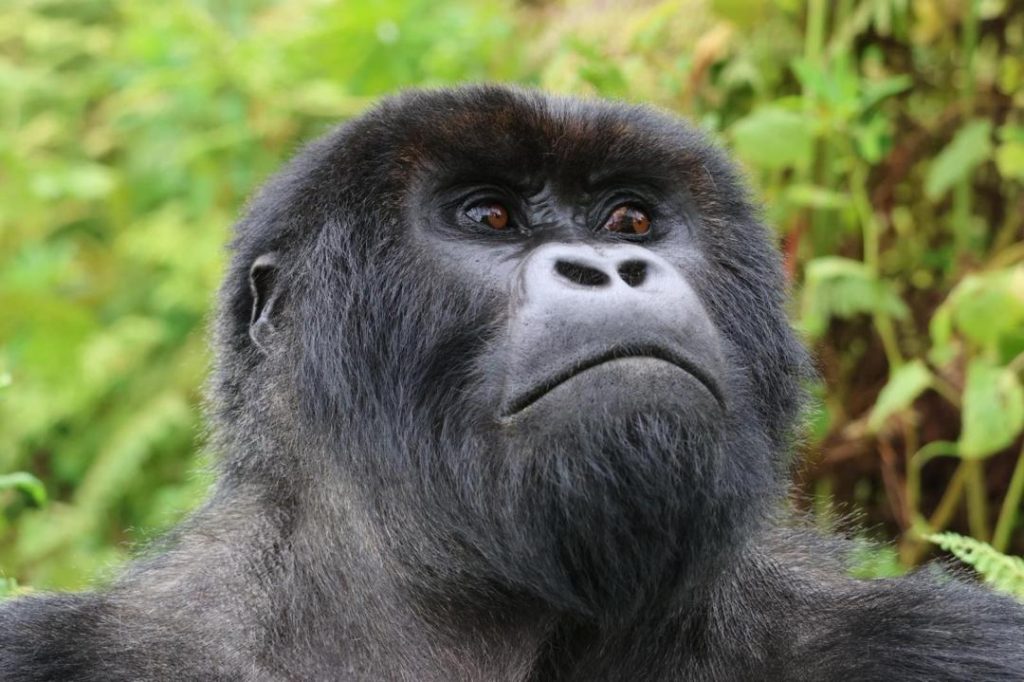
This is Rwanda’s most iconic destination. Gorilla trekking allows you to hike through lush forests and spend time with endangered mountain gorillas, such an unforgettable experience.
A Rwanda gorilla permit costs USD 1,500 and includes one hour with the gorillas. Volcanoes National Park also has golden monkeys and Dian Fossey’s tomb. Musanze town offer potato crisps and potato vodka factories tours.
Akagera National Park (safari)
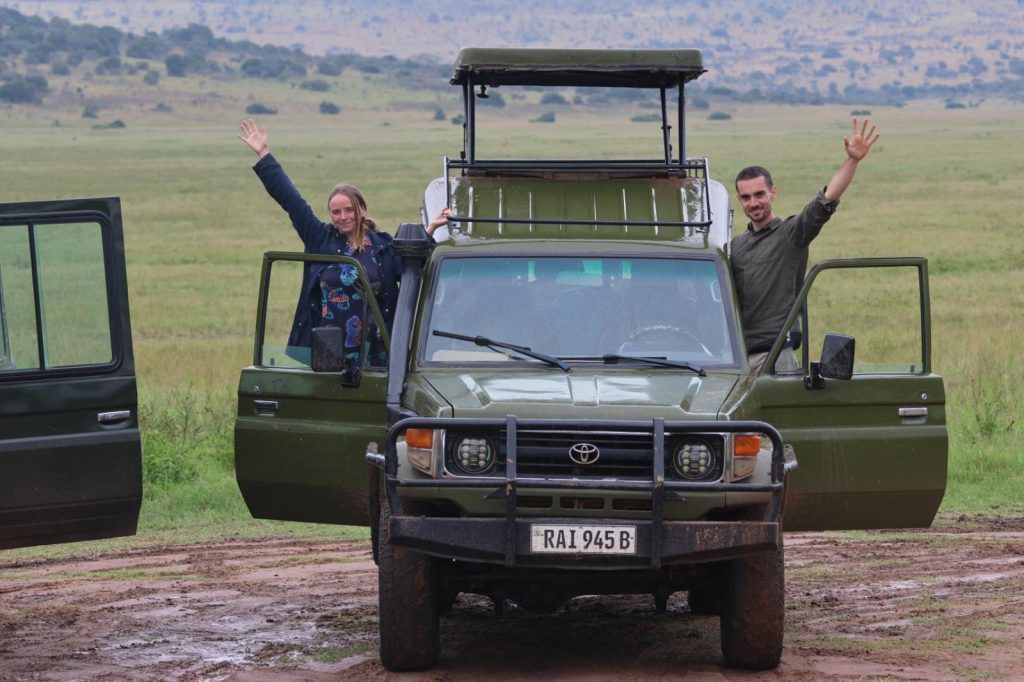
In eastern Rwanda lies Akagera National Park, the country’s only savanna reserve . Akagera offers a classic African safari experience with elephants, lions, giraffes, zebras, and more. Visitors can enjoy game drives and boat safaris.
Accommodations range from tented camps, lodges and homestays. Akagera’s scenic savannah and classic wildlife make it Rwanda’s premier safari park
Nyungwe Forest National Park (rainforest adventure)

In southern Rwanda, Nyungwe National Park is an ancient montane rainforest , one of Africa’s oldest. It shelters rich biodiversity: 13 primate species (including chimpanzees and colobus monkeys) and ~300 bird species . Top activities include chimpanzee tracking, numerous mountain hikes and the famous canopy walkway (a suspended bridge 70m above the treetops) . Nyungwe also has waterfalls and zip-lines. This jungle offers a cool, green contrast to Rwanda’s hills.
Lake Kivu (relaxation and water activities)
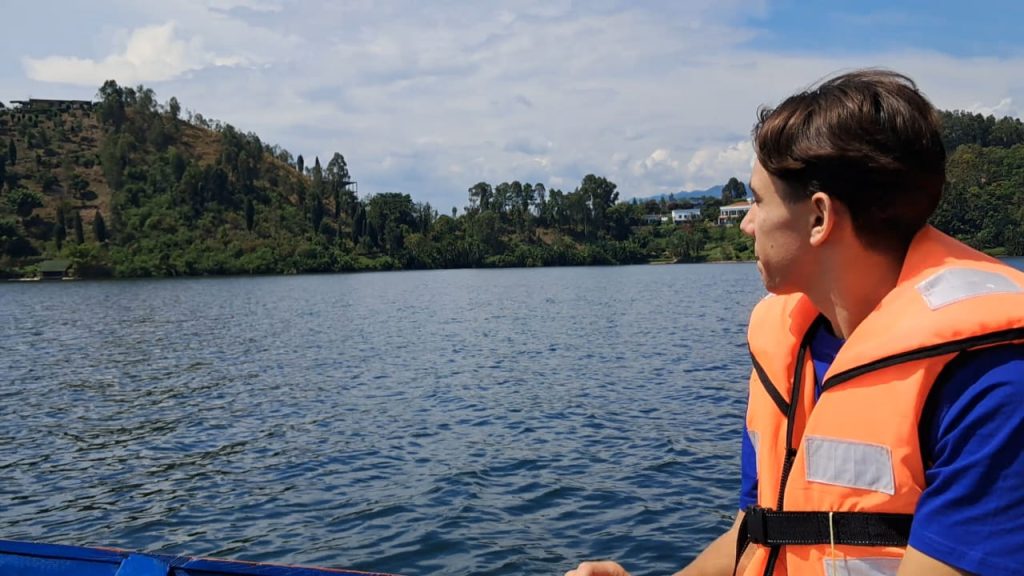
Lake Kivu, in the west of Rwanda, is its largest lake (2,700 km²) . Surrounded by forested hills, it has emerald-green waters ideal for kayaking, boating, or swimming . The lakeside towns of Rubavu (Gisenyi) and Karongi (Kibuye) have beaches, restaurants and laid-back waterfront hotels . You can cycle or hike along the famous Congo Nile Trail, which winds 227 km down the lake’s edge .
Lake Kivu is a perfect place to rest and enjoy sunsets after your adventures.
Kigali (culture and history)
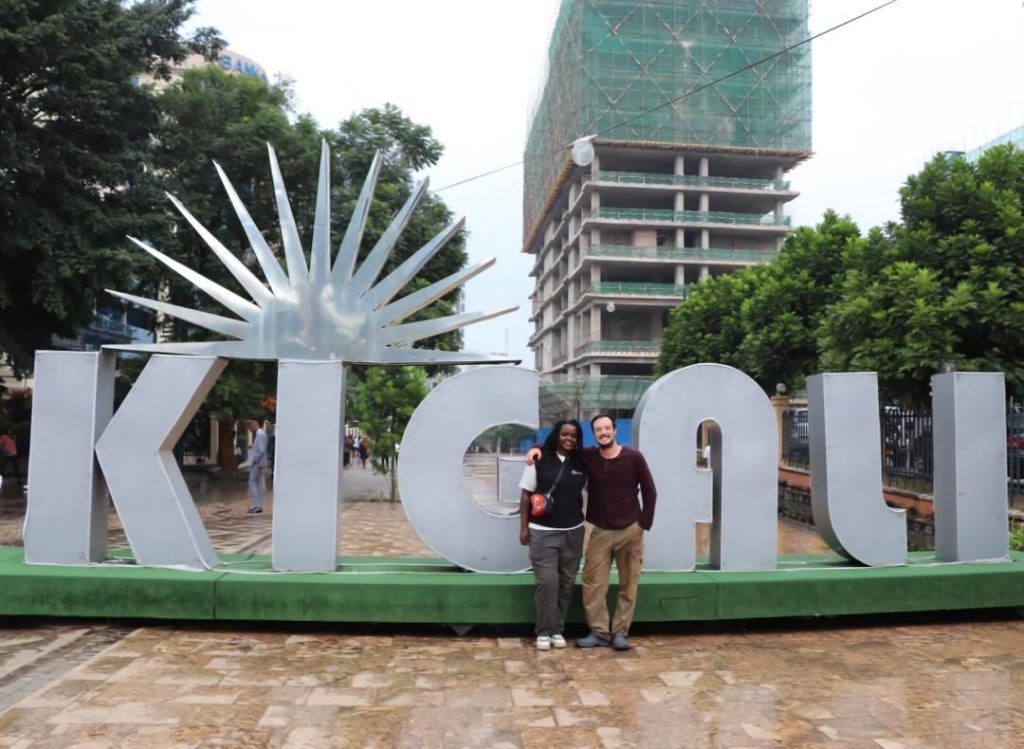
Rwanda’s capital is clean, modern and safe . In Kigali you’ll find the powerful Kigali Genocide Memorial, which honors the victims of 1994 and educates about Rwanda’s history . The city also has growing art galleries and lively markets. Kigali Cultural Village is a market-style venue where local artisans sell crafts and street food . Kigali’s hilly neighbourhoods and rooftop restaurants offer great city views. Don’t miss sampling Rwandan coffee in Kigali – it’s some of the world’s best.
Best Time to Visit Rwanda (Rwanda Travel Guide 2026)
Rwanda has two rainy seasons and two dry seasons. The long dry season (June–September) is generally the best time to visit . The weather is mostly sunny and dry, ideal for gorilla trekking, safaris and hiking.
A short dry season runs from December to February. The main long rainy season is from March to May (heavy rains), and a shorter rainy season in October–November .
Many travellers prefer June–September or December–February for the best wildlife viewing (dry bush) and hiking conditions. (Note: mountain weather is unpredictable, but Rwanda’s higher elevations stay mild yearround .)
Is Rwanda Safe for Tourists in 2026?
Yes, Rwanda is regarded as one of the safest countries in Africa. In fact, it was ranked the 9th safest country in the world by the World Economic Forum . Violent crime is low, and roads and cities are orderly and secure.
Many travellers comment on Rwanda’s cleanliness and civility . The government has banned plastic bags and emphasizes community vigilance, so streets are remarkably clean .
Locals are generally warm and welcoming to visitors. As with any destination, basic precautions apply (beware of petty theft in crowds), but serious crimes against tourists are rare. Overall Rwanda offers peace of mind for foreign visitors.
How Many Days Do You Need in Rwanda? (Travel Guide)
-
3–4 days
Quick trips typically include 1–2 days in Kigali plus one gorilla trek (Volcanoes National Park) . This is a jam-packed safari but possible if flights from East Africa are short.
-
7 days
A one-week itinerary can cover Kigali + gorilla trekking + a day safari in Akagera , or Gorilla Trek + Lake Kivu + culture in Kigali.
-
10 days or more
A full tour might include 3 days at Volcanoes for multiple treks, 2–3 days in Akagera, 2 days in Nyungwe, and a couple days by Lake Kivu, plus Kigali. Ten days allows a thorough exploration: gorillas, wildlife safari, rainforest and relaxation.
Tailor your stay to your interests: even a 3-day trip can catch Rwanda’s highlights, but 7–10 days is ideal to soak in nature and culture.
Unique Experiences You Should Not Miss
- Gorilla Trekking
- Nyungwe Canopy Walk
- Community Homestays
- Coffee Farm Tours
- King’s Trail Hike
Languages in Rwanda & Useful Words
Rwandans speak Kinyarwanda (nearly everyone’s first language), English (widely spoken in schools and tourism), French, and Swahili . Learning a few Kinyarwanda words goes a long way to impress locals. Here are some easy phrases:
- Hello: Muuraho
- How are you: Amakuru
- Good bye: Murabeho
- Thank you: Murakoze
- Please: Nyabuneka
- Yes: Yego
- No: Oya
- My name is: Nitwa
- What is your name: Witwa nde
- How much is this: Ni angahe
- Do you speak English: uvuga icyongereza
- Have a nice day: Umunsi mwiza
Rwandans appreciate any effort to use Kinyarwanda, so try out a few phrases. English is generally spoken in hotels, restaurants and by guides, but not everyone in rural areas will speak it fluently. Knowing “Amakuru?” (how are you) or “Murakoze” (thank you) will earn smiles.
Responsible Travel in Rwanda
Rwanda is known for its commitment to conservation and community-based tourism . A good example: gorilla trekking fees not only fund park staff, but 10% of permit revenue goes directly to local community projects (schools, health clinics, farmer compensation funds, etc.) . This means your visit helps protect gorillas and support people.
At Bonnie’s Tours & Adventures, every trip is designed with sustainability in mind. We work closely with local communities and women’s groups. For example, our Local Homestay Network provides tourists authentic lodging with Rwandan families, ensuring tourism income reaches grassroots communities. We also follow the rules of umuganda (community clean-up) and respect Rwandan customs (e.g. modest dress in villages). By choosing such experiences, travellers can be sure their trip makes a positive impact.
Plan Your Trip with This Rwanda Travel Guide 2026
Rwanda offers a unique mix of wildlife, culture, and authentic experiences.
This Rwanda Travel Guide 2026 helps you plan an unforgettable journey filled with meaningful connections and adventure.
Contact Us
Planning your trip?
Bonnie’s Tours & Adventures helps you explore Rwanda through authentic and community-based experiences.
Contact us today to start your adventure.